

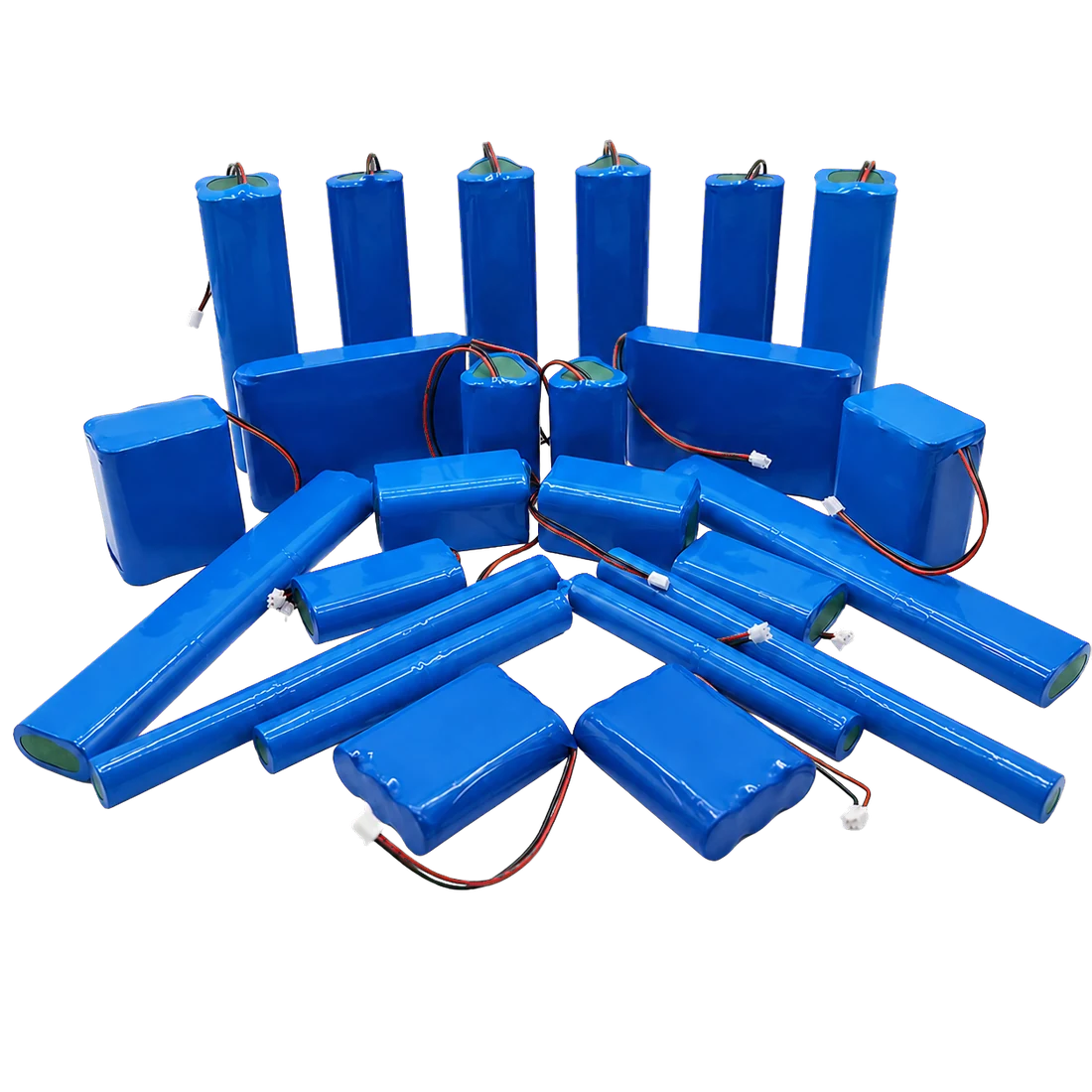
Group 1: Electrical Targets
- Nominal voltage, maximum charging voltage and allowed operating voltage range.
- Target capacity or runtime, and average device power consumption.
- Continuous current, peak current, peak time and load variation.
- Charging method, charging time and charger conditions.
Group 2: Structure and Connections
- Battery compartment length, width, height and installation direction.
- Allowable weight, mounting methods, protection requirements and space for cooling.
- Harness length, connector model, terminal definition and wire outlet direction.
- BMS functions, communication requirements, switches, insurance and status display.
Group 3: Environment and Verification
- Operating, charging and storage temperatures, and indoor or outdoor environments.
- Vibration, shock, water, dust and transportation conditions.
- Sample quantities, test plans, target certifications and planned milestones.
- Estimated batch size, delivery pace and required supporting technical information.
If the information is not complete, you can start by providing device power, target runtime, and available space. The preliminary evaluation is used to narrow down the direction and is not equivalent to the final mass production plan or certification conclusion.
How to distinguish between ready-made products and customized projects
Ready-made battery packs are suitable for needs where parameters, structure and interfaces can be directly matched; when voltage, capacity, space, wiring harness, connectors, BMS or environmental conditions are different, customized evaluation is required. Both paths should start with actual usage conditions, rather than just comparing appearance.